Repairs
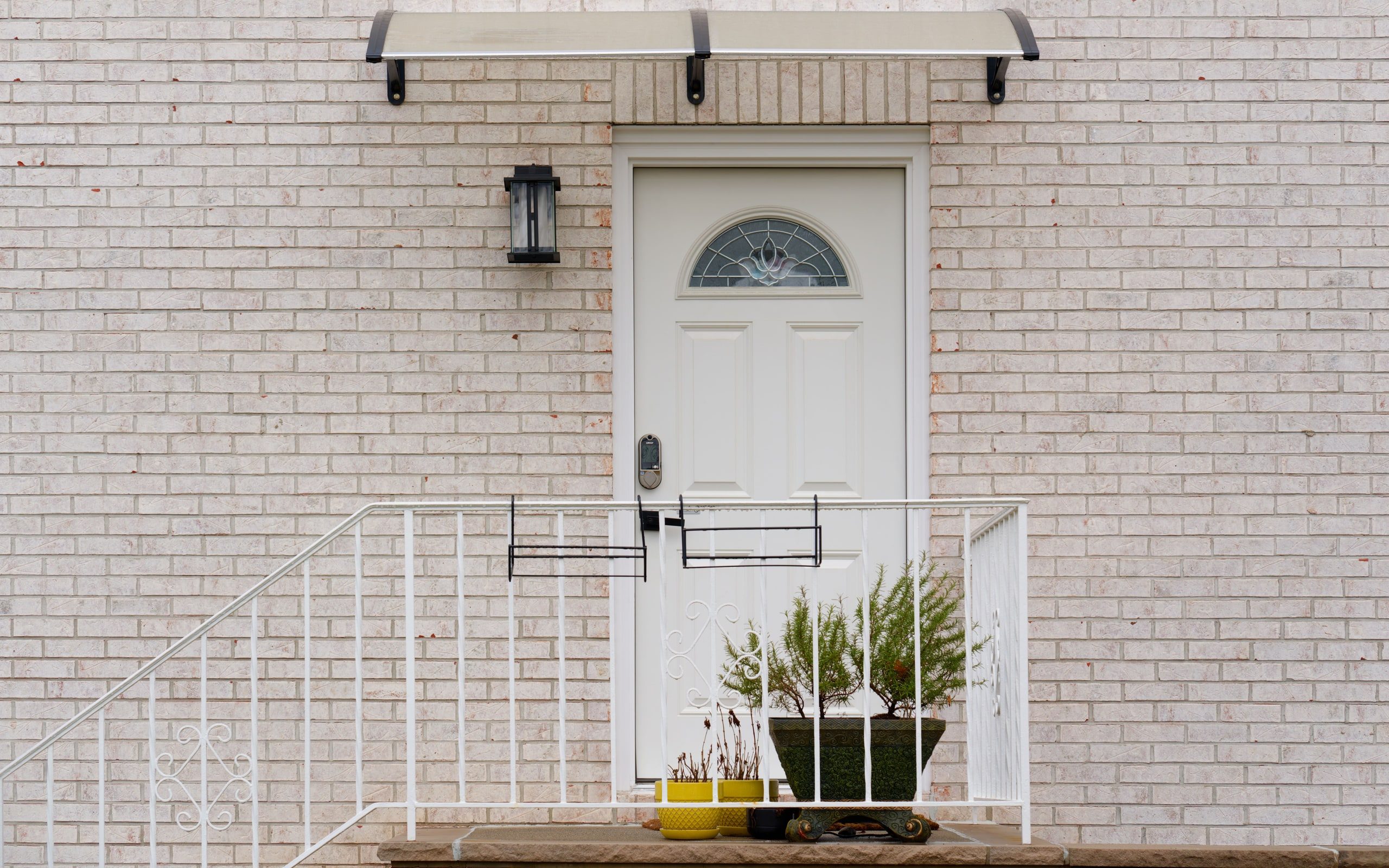
Handyman services and repairs in Calgary
Most people looking for a handyman in Calgary have a list rather than a project — a door that sticks, a tap that drips, three holes in the drywall. A single repair is a perfectly good reason to call, and the whole list is a better one.
Inside
The list that's been on the fridge since spring.
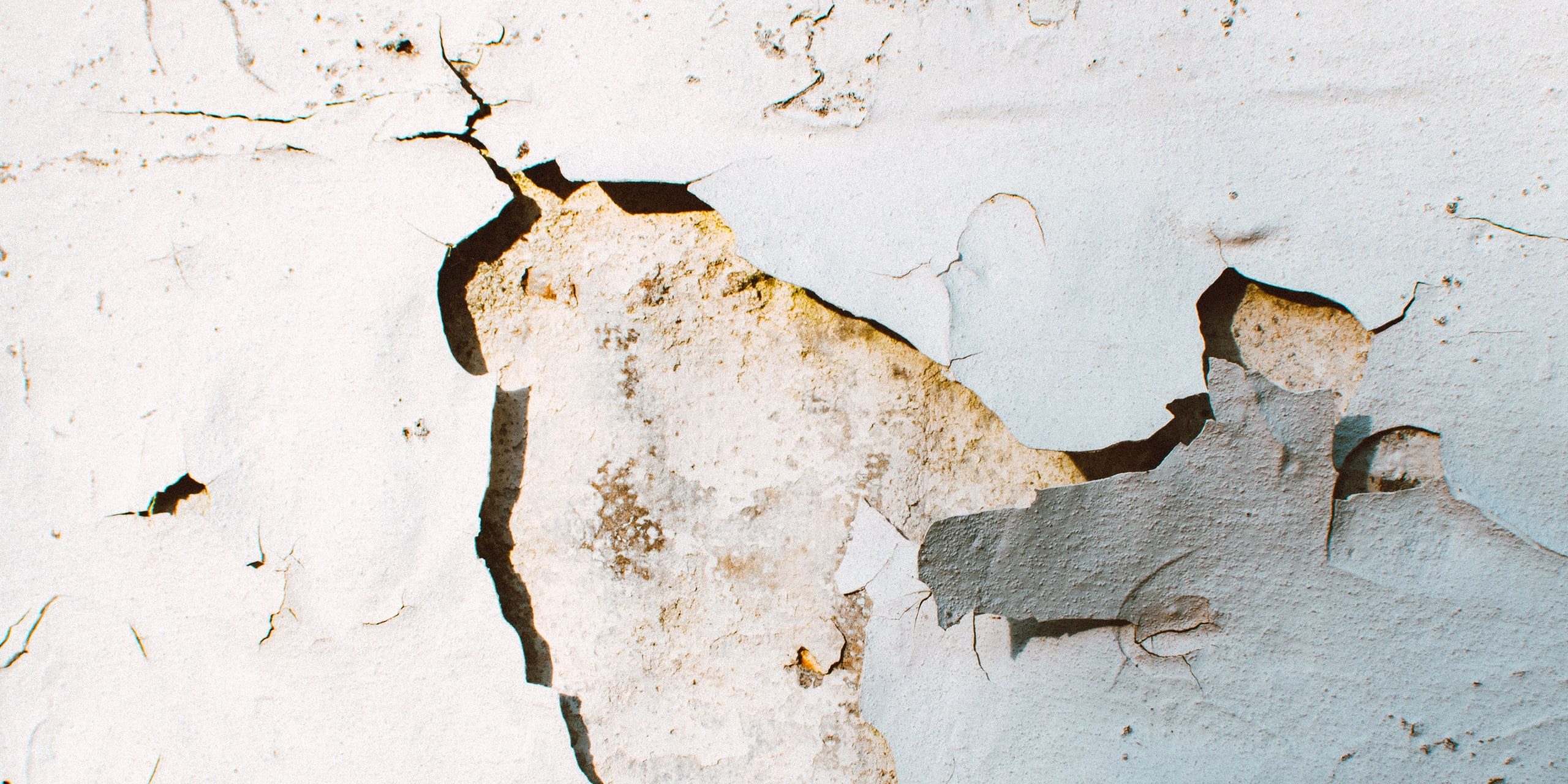
Holes, cracks, water stains, popped fasteners, and tape that has let go. A patch is only invisible if the repair is feathered wide enough and the surrounding texture and sheen are matched, which is the part most people underestimate — a well-filled hole with a two-inch feather is still a visible circle under raking light. Recurring cracks in the same place are usually telling you about movement rather than about drywall, and that is worth investigating before it gets filled for the third time.
Doors that stick, latch strikes that miss, hinges that sag, and windows that will not stay open or have lost their seal. Most binding doors are a jamb out of plumb or a hinge screw that has pulled loose in soft framing — a longer screw into the stud fixes what shimming alone will not. Failed sealed units show as permanent fogging between the panes and mean replacing the glass unit rather than the whole window. Weatherstripping and sill sealing are cheap and make a real difference to draughts.
Dripping taps, running toilets, slow drains, failed shutoffs, and leaks under sinks. A running toilet is usually a flapper or fill valve and wastes a startling volume of water; a slow drain that affects several fixtures at once is a venting or main line problem rather than a blockage at the trap. Shutoff valves that have not been turned in a decade often fail the moment they are needed, which is worth knowing before an emergency rather than during one. Licensed trades where the work requires it.
Dead outlets, failing switches, fixtures that need replacing, and breakers that trip repeatedly. A breaker that trips is doing its job, and the useful question is why — an overloaded circuit, a failing appliance, or a fault in the wiring all look identical from the panel. Aluminium branch wiring in homes from the mid-1960s to late 1970s needs specific connectors and terminations rather than standard devices. Licensed and permitted where the work requires it; there is no sensible version of improvising here.
Squeaks, lifted boards, water-damaged sections, cracked or drummy tile, and transitions that have come loose. Squeaks are usually subfloor movement against a fastener and are fixed from below where there is access. Laminate and engineered planks that have peaked or gapped are almost always an expansion problem — the floor was fitted tight to a wall with no gap, and relieving the perimeter solves what replacing boards will not. Tile that sounds hollow has lost its bond and will crack next.
Water & outside
The ones that get worse and more expensive if you leave them.
Stains, soft drywall, warped trim, musty smells, and condensation. The repair is the easy half; finding the source is the work. Water travels along framing and can appear a long way from where it entered, so a ceiling stain is not reliable evidence of a leak directly above it. Everything wet has to be dried and verified dry before anything closes it up, or you have sealed a mould problem inside a wall. If the situation is active and getting worse, that is an emergency call rather than a scheduled repair.
Loose or damaged siding, failed caulking, sagging gutters, rotten trim and fascia, and fence and gate repairs. Most exterior rot is a water-management failure a few feet away rather than a material failure at the rot itself — replacing rotten fascia without fixing the gutter that overflowed onto it buys about two years. Sealant joints have a service life and go hard and crack; cutting the failed bead out and re-applying properly lasts far longer than caulking over the top of it.
Also on this property
When it turns out to be bigger.

Send us the list. Even the short one.
Or just call. Nothing here has to start with a form.