Exterior
Exterior services in Calgary
The exterior is the building's defence against water, frost, and a climate that swings forty degrees in a season. Most of this work is weather-dependent, which makes sequencing and timing part of the scope rather than an afterthought.
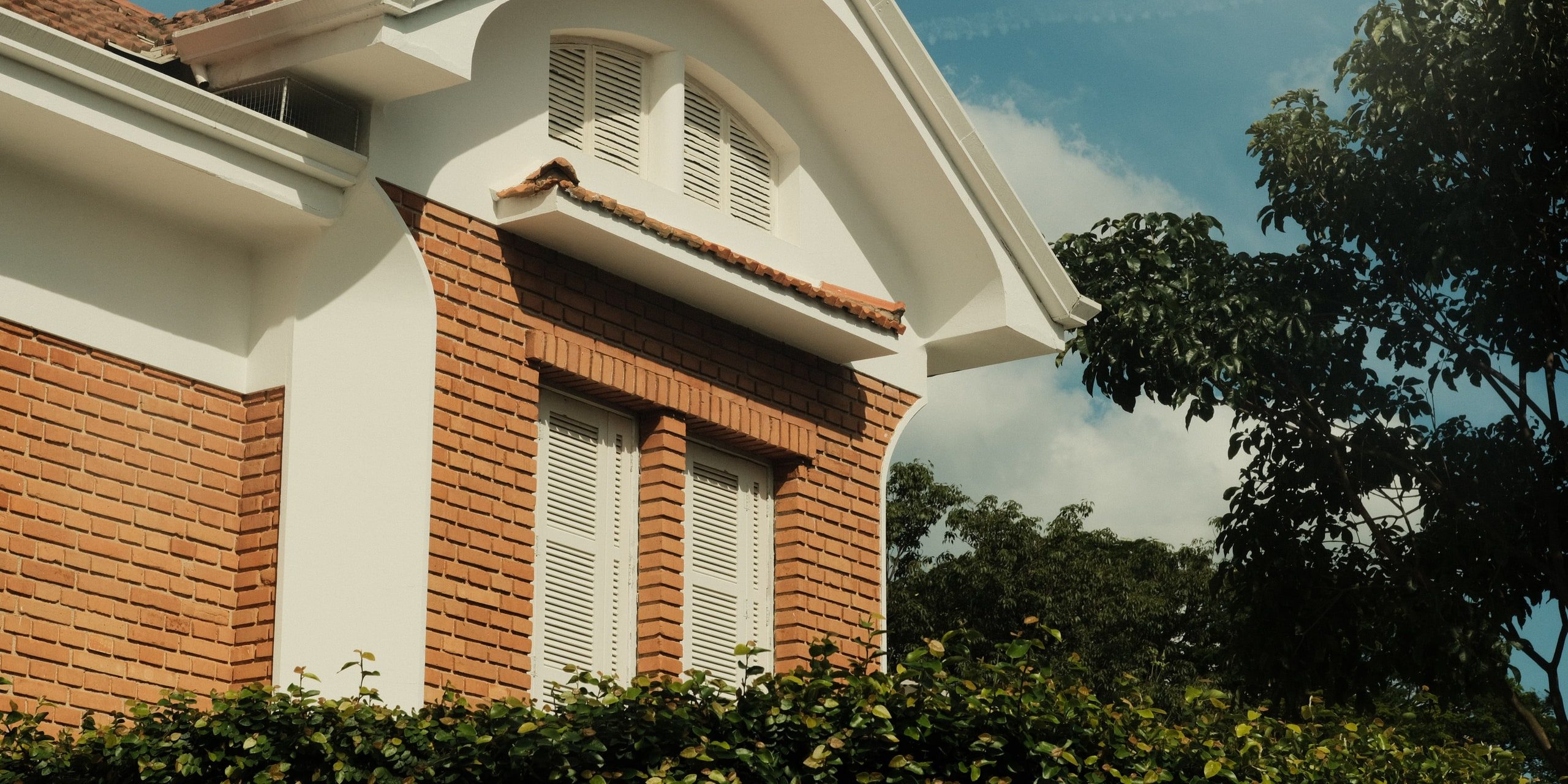
Roof & envelope
Everything between the weather and the inside of the building.
A roof is an assembly, not a covering. Underlayment, ice and water shield at eaves and valleys, flashing at every penetration and wall junction, and adequate ventilation all matter as much as the shingle on top. In Calgary the two things that end roofs early are hail and ice damming, and ice damming is usually an attic ventilation and insulation problem rather than a roofing one. We inspect the deck once the old covering is off, because rot found then is cheap and rot found later is not.
Cladding sheds most water, but the layer behind it is what keeps the wall dry. Weather-resistive barrier, properly lapped and taped, with flashing at every opening and a drainage path out at the base — that is the part nobody sees and the part that fails buildings. Soffit provides intake ventilation for the attic and gets blocked surprisingly often by insulation. Gutters and downspouts need to discharge well away from the foundation, which is the single cheapest thing you can do for a dry basement.
Exterior coatings live or die on preparation and on temperature. Surfaces need washing, scraping, sanding, and spot-priming, with any bare wood primed before it weathers again. Product data sheets specify minimum application and cure temperatures, and Calgary evenings drop fast enough in shoulder season to matter — we schedule around that rather than pushing a coat on at the edge of its window. Caulking and failed sealant joints get addressed as part of prep, because painting over a failed joint just hides it.
A window is only as good as its installation. Sill pan flashing, correct shimming so the frame is square and operable, low-expansion foam that seals without bowing the jamb, and integration with the weather barrier so water that gets behind the cladding drains out rather than into the wall. Replacement in an existing wall means deciding between insert and full-frame — full-frame costs more and is the honest answer when the existing frame or the surrounding wall has moisture damage.
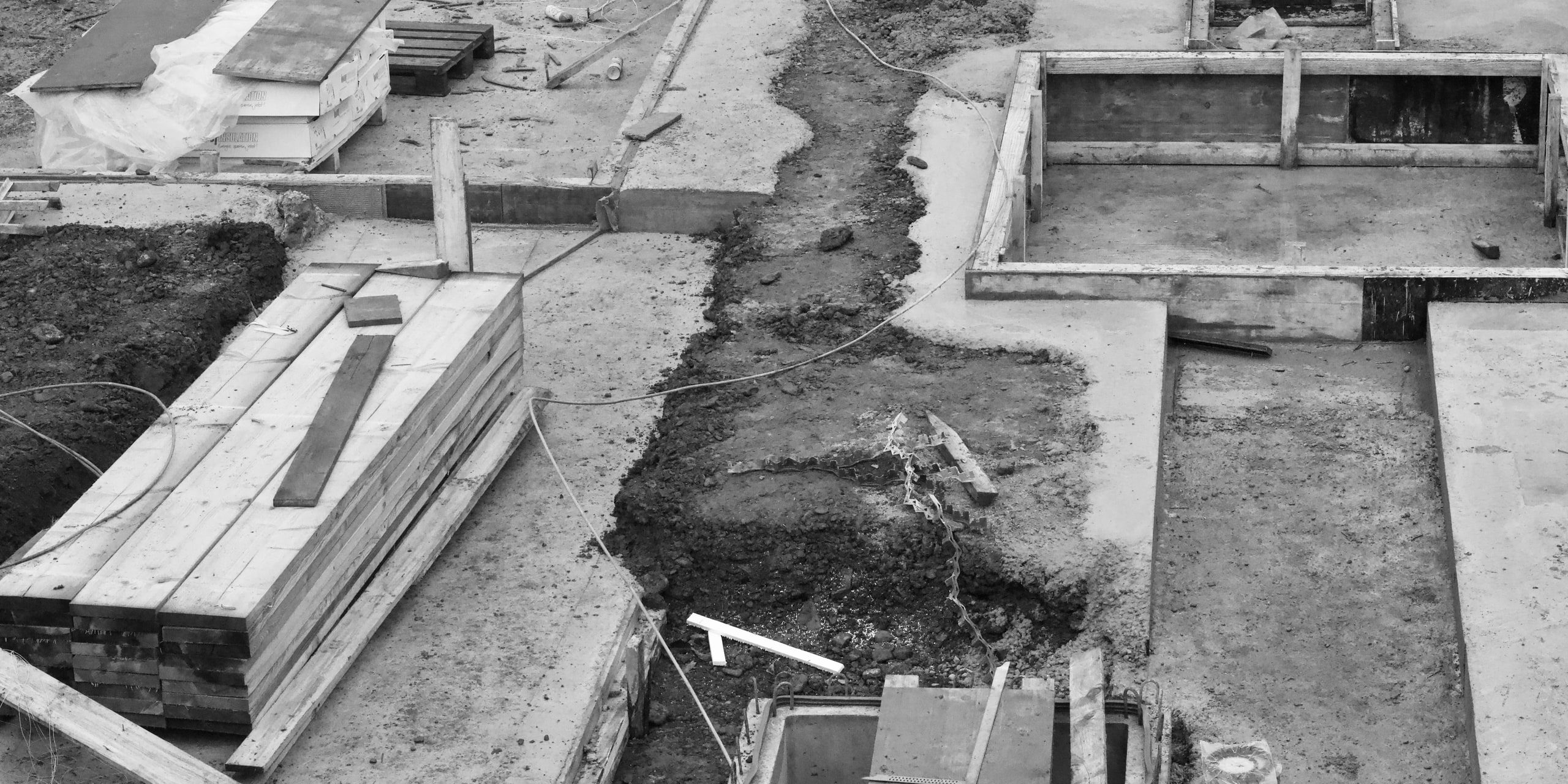
Ground & structure
What the building stands on, and where the water goes.
Flatwork fails for predictable reasons: inadequate base preparation, no control joints, or placement in the wrong conditions. Compacted granular base, correct thickness for the load, control joints cut early enough to direct the inevitable cracking, and air-entrained mix for freeze-thaw exposure. Slope matters — driveways, walks, and patios all need to drain away from the building. Cold-weather placement needs protection and blankets, and there is a point in the season where the honest answer is to wait for spring.
Most wet basements are surface water problems, not foundation failures, and the cheap fixes get tried first: grading, downspout extensions, and window well drainage. Where the problem is genuinely below grade, the real fix is exterior — excavate, clean the wall, repair cracks, apply a membrane, install drainage board and weeping tile to a functioning discharge. Interior systems manage water that has already reached the wall rather than keeping it out. Structural cracking, bowing, or shear movement is an engineer's call before it is a contractor's.
Ground should fall away from a building — roughly 150mm over the first two metres is the usual target — and a surprising number of properties do the opposite after years of settling and landscaping. Downspouts that discharge at the wall put thousands of litres directly against the foundation in a single storm. Window wells need drainage and covers. Where lots are tight or flat, swales and catch basins move water to where it can leave without dumping it on the neighbour, which is both a drainage question and a legal one.
Excavation starts with locates. Underground utilities are marked before a machine touches the ground, and that is not optional. Beyond that it is soil conditions, shoring where cut depth requires it, spoil management, and access — many Calgary lots have a single narrow approach and an existing driveway nobody wants destroyed. We plan machine access and material routes before the dig, and backfill in lifts with proper compaction, because settlement afterwards is what causes the grading problems the excavation was meant to solve.
A retaining wall holds back soil and water, and the water is what breaks it. Drainage behind the wall — clear stone, filter fabric, and a drain to daylight — matters more than the blocks. Walls above a certain height need engineering, and geogrid reinforcement into the retained soil is what makes tall segmental walls stand. Base preparation below frost, level and compacted, decides whether the wall stays straight. A wall that leans or bulges is telling you drainage or reinforcement was skipped.
Outdoor living
The parts of the property you actually spend time on.
Landscaping is the last trade on site and inherits every drainage decision made before it. Grade comes first, then irrigation and lighting sleeves under any hard surface — running them afterwards means cutting what you just paid for. Calgary's short season, chinook cycles, and alkaline soils narrow the sensible plant list considerably, and topsoil depth decides whether a lawn survives its second summer. Hard surfaces need base preparation on the same principle as any other flatwork.
Pressure washing is mostly about using the least pressure that does the job. Too much strips paint from siding, drives water behind cladding, etches concrete, and forces moisture into mortar joints. Soft washing with appropriate detergents handles most organic growth on siding and fencing without that risk. Driveways, walkways, and patios take more pressure than a wall assembly ever should. We keep water away from openings and vents and let surfaces dry properly before any coating follows.
Also on this property
Inside, and through the winter.
Get the exterior scoped before the season decides for you.
Or just call. Nothing here has to start with a form.