Property Services
Property services in Calgary
The work that keeps a property running after the build is finished. Most of it is scheduled rather than dramatic, and the value is in it being done consistently by someone who is accountable for it.
Cleaning
Three kinds of clean, and they are not the same job.
Each runs to its own scope, its own products and its own schedule. Pick the one that matches what the building needs.




Grounds and seasonal
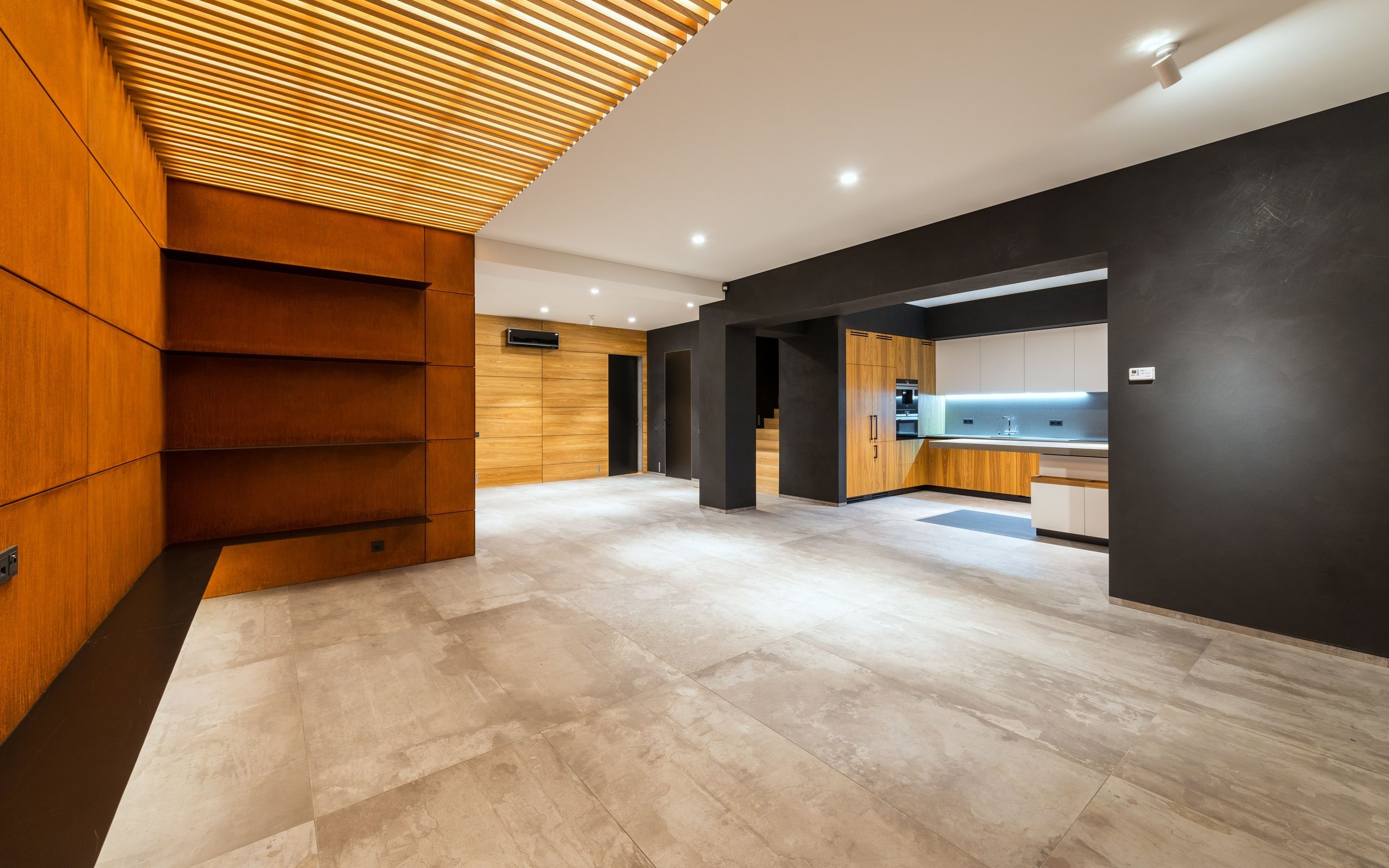
What the outside of a property needs as the year turns.
Two visits a year that prevent a surprising number of expensive problems. Spring: clear winter debris and gravel, dethatch and aerate, check that grading and downspouts survived the freeze-thaw, and inspect for winter damage while it is still cheap to fix. Fall: leaves cleared before they mat and rot, gutters emptied before they freeze full, exterior taps shut off and drained, and irrigation blown out before the first hard frost — a missed blowout is a repair bill in April.
Scheduled grounds maintenance through the growing season — mowing at a height that suits the season rather than as short as possible, trimming, edging, and clippings managed. Calgary's season is short and chinooks confuse everything, so watering guidance and fertiliser timing matter more here than in milder climates. Beds get weeded and edged on the same visit rather than as a separate call-out, and we flag irrigation faults when we see them rather than mowing past a dry patch for six weeks.
Gutters full of debris overflow at the fascia and put water directly against the foundation, and in winter they freeze solid and contribute to ice damming. Clearing them twice a year — after leaf drop especially — is one of the cheapest pieces of preventative maintenance a building has. We flush downspouts to confirm they actually run, and check that discharge points still carry water away. Window cleaning covers glass, frames, tracks, and screens, inside and out where access allows.
As recurring maintenance rather than a one-off, the useful question is frequency, not method. Twice a year keeps entrances, walkways, and parking areas ahead of the problem; once a year usually does not, and the difference shows in shaded corners where algae builds and turns into a slip claim. We book it into the maintenance calendar, work around trading hours where a commercial site needs it, and tell you when a surface is deteriorating rather than merely dirty — washing a failing sealant joint only makes it more obvious.
Turnover and upkeep
Keeping a property earning, and ahead of its own repairs.
Clear-outs for renovations, estates, tenancies, and the accumulation that follows any long occupancy. Material is sorted rather than tipped wholesale: recycling, electronics, metal, and household goods that can be donated all go where they should, and only the genuine waste goes to landfill. Some items — paint, solvents, batteries, tyres, appliances containing refrigerant — have specific disposal requirements in Calgary and cannot go in a general load.
A written schedule of the small recurring checks that stop small problems becoming projects: furnace filters, HRV cleaning, smoke and carbon monoxide detector testing, caulking and sealant joints, drain and trap checks, sump pump testing before spring melt, and exterior sealant before winter. Most of these take minutes and get skipped for years. We work to a calendar, do them on schedule, and keep a record so you can see what was checked and when.
Ongoing support for commercial properties where something always needs attention and nobody on site is a tradesperson. A single point of contact for reactive repairs, scheduled maintenance, and coordination of specialist trades. Work is logged so the property manager has a record for budgeting and for the owner. For multi-tenant buildings we can work to a defined response order — life-safety and water first, cosmetic last — agreed in advance rather than negotiated during.
Also on this property
When upkeep turns into work.


Put the recurring work on a schedule somebody owns.
Or just call. Nothing here has to start with a form.